
Your team needs to know which numbers are ready to use, which may still change and what needs attention. A useful Cannabis month-end close makes those distinctions clear.
Start with the decision the report will support. A cash question may need a different check than an inventory, costing or margin question.
See the month-end cutoff example
Three Questions for Your Close
- Which operating decision needs a clearer financial answer?
- Which records support that answer, and what period do they cover?
- What still needs review before your team uses the number?
Use those questions to focus the close review. They help your team separate completed work from the items that still affect a decision.
Make the Reporting Status Visible
Each management report should make its reporting date, close status and material open items easy to find.
- Reporting date: The period and cutoff covered by the information.
- Close status: The status your team has agreed to use, including whether information is preliminary.
- Open items: The balances, assumptions or missing records that still need attention.
If a figure may change, identify what could change it. This gives management context for deciding how to use the report.
Write an Open Item Someone Can Act On
A useful close note connects a question with the evidence and the next action. Include:
- The balance or financial question under review.
- The entity, period, source and reporting date.
- What the available records support.
- What remains unresolved and how it may affect the report.
- The next action, its owner and the condition that will finish the item.
Keep the explanation specific enough for another person to follow. “Inventory needs review” leaves the next person guessing. Naming the schedule, period and unresolved difference gives them a place to start.
Review the Difference Before Approving a Correction
Different systems may use different reporting dates, units or definitions. Separate documented timing differences from missing records, mapping problems and proposed corrections.
For an inventory or costing adjustment, connect the proposed entry with the relevant production, purchasing, product movement and costing records. Record who must approve the change.
Describe the economic meaning only as far as the evidence allows. A difference in a report may affect the view of costs, margins or cash timing. The amount of the difference alone does not establish a loss.
Carry the Next Action into the Next Review
Some questions need another record, an operating explanation or a decision from management. Give each open item a next review point and a named owner.
For recurring work, use the same close calendar and agreed reconciliation responsibilities. Review whether the previous action was completed and whether the next period shows the same issue.
Month-end example
Did last month’s fix hold?
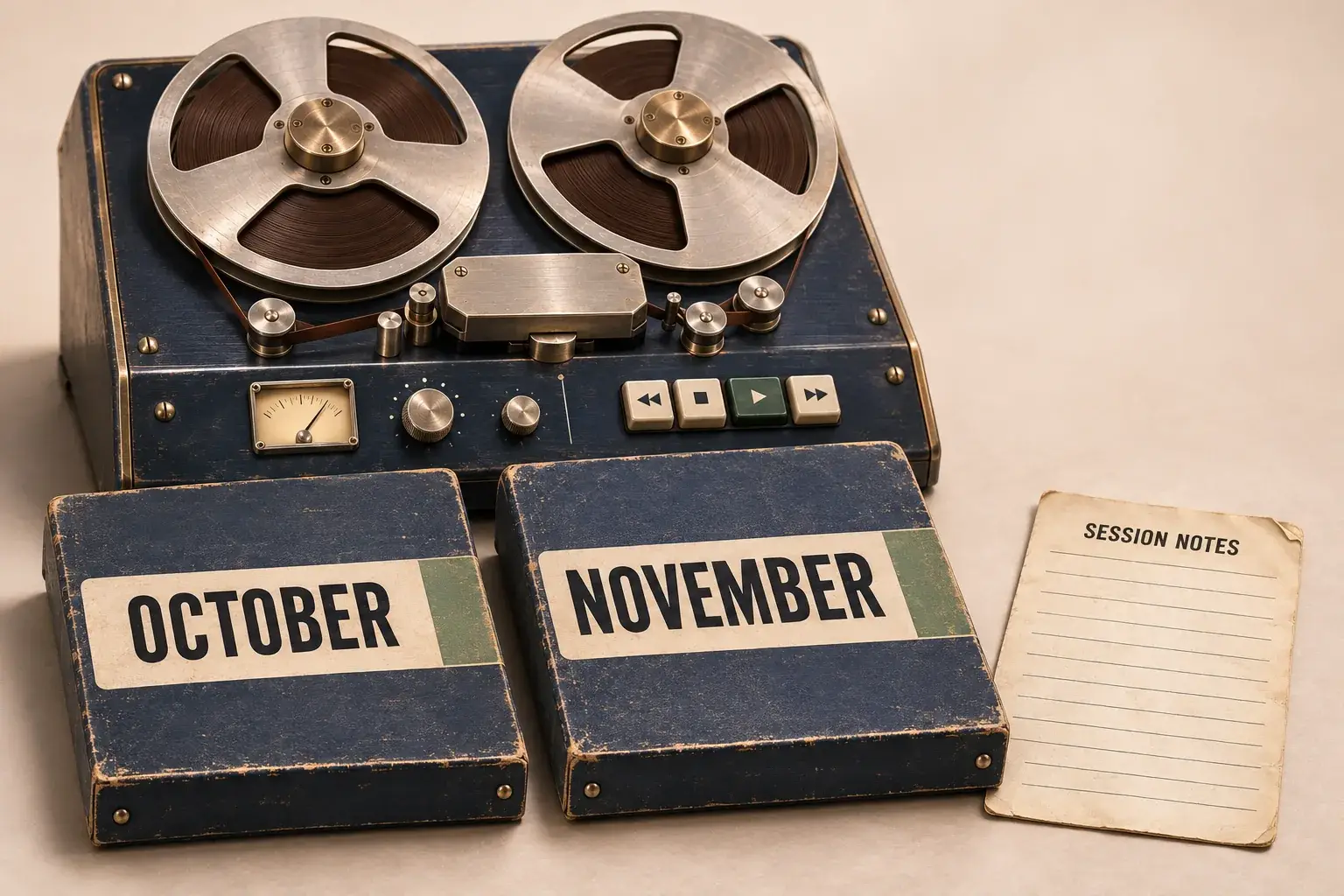
October close. Under the agreed cutoff, the last transfer belonged in October. It appeared in November’s inventory report. The inventory lead added a cutoff check.
November close. Kind Ledger traces November’s last transfer from the dated record to the inventory report. If it appears in the expected month, the check is complete. Otherwise, the inventory lead follows up.
Start with One Decision
Choose one cash, inventory or margin figure that matters to an upcoming decision. Write a short close note using the five fields above.
That note gives your team a concrete question to resolve and a clear way to recognize when the work is finished.